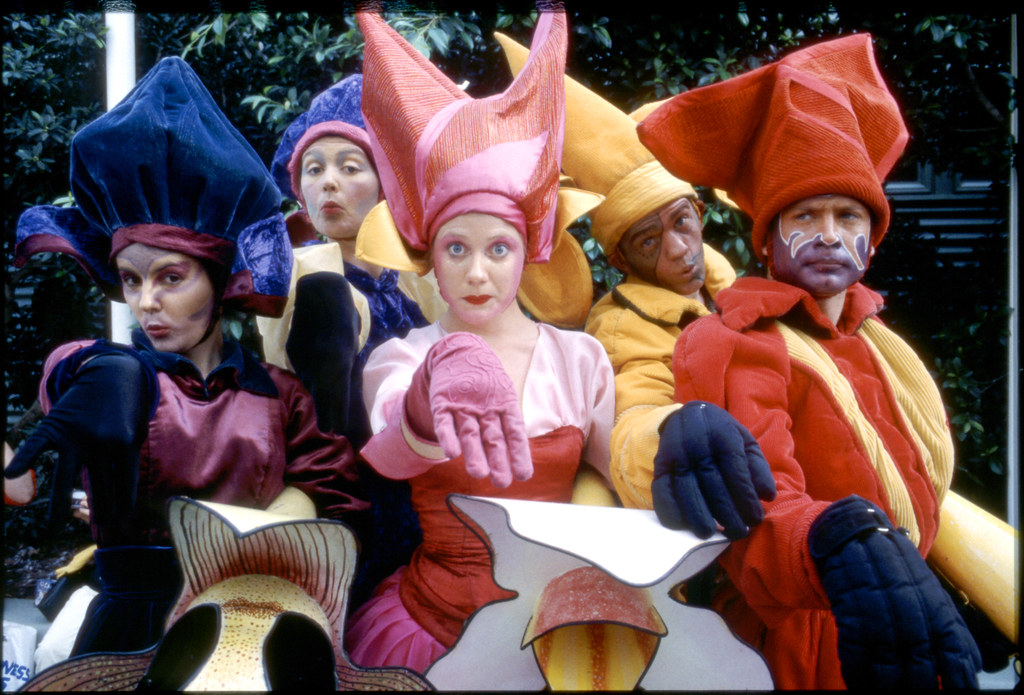
The Orchids street entertainer - Expo 88

The Evolution of Dance in Entertainment: A 2026 Journey

The Vibrant World of Dance in Modern Entertainment

As we step into 2026, the world of entertainment continues to embrace the dynamic and expressive art of dance. This year marks a significant evolution in how dance is choreographed, performed, and viewed across various platforms. From mainstream movies and television shows to online content and live performances, dance has solidified its role as a pivotal aspect of entertainment.
The Orchids street entertainer - Expo 88
Foto: Queensland State Archives

Influence of Social Media on Dance Trends

Social media has been a game changer for dance in entertainment. Platforms like TikTok, Instagram, and YouTube have become breeding grounds for viral dance challenges and trends. In 2026, we see:

  • Short-form Content: Quick, catchy dance clips have captivated millions, leading to the rise of micro-celebrities in the dance space.
  • Global Collaboration: Dancers from various cultural backgrounds join forces, creating unique fusion styles that highlight diversity.
  • Accessibility: Tutorials and choreographies are shared widely, making dance more accessible to aspiring performers.

Dance in Film and Television

In the realm of film and television, dance continues to enhance storytelling, adding layers of emotion and excitement. Notable trends include:

  • Integration of Technology: With advancements in CGI and motion capture, filmmakers are pushing the boundaries of choreography, creating visually stunning sequences that were once unimaginable.
  • Musicals on the Rise: A resurgence of musicals has taken center stage. Productions are focusing on original dance numbers that resonate with modern audiences.
  • Diverse Representation: There’s a growing emphasis on including dancers from varied backgrounds, ensuring that performances reflect the global audience.

The Impact of Competitive Dance Shows

Competitive dance shows have also evolved significantly. In 2026:

  • New Formats: Shows are experimenting with formats, like team competitions and themed dance-offs, keeping the content fresh.
  • Talent Discovery: These platforms have become launching pads for many dancers, leading to opportunities in major productions.
  • Audience Engagement: Real-time voting and interactive features allow audiences to feel more connected to the competition, increasing viewership.

The Role of Dance in Live Performances

Live performances have seen a renaissance in the dance sphere. This is characterized by:

  • Immersive Experiences: Performances are being designed to engage audiences on multiple sensory levels, combining dance with visual art and sound design.
  • Collaboration with Other Art Forms: Dance is increasingly being integrated into theatrical productions, opera, and contemporary art installations, blurring traditional boundaries.
  • Local Talent Showcases: Community events and festivals are promoting local dancers, providing platforms for grassroots performances.

The Educational Aspect of Dance

Dance education is also undergoing transformation. In 2026, we see:

  • Online Learning: With the rise of virtual classes, more individuals can learn dance from top choreographers across the globe.
  • Inclusivity in Dance Education: Programs are focusing on inclusivity, offering classes for individuals with disabilities and creating welcoming environments for all.
  • Workshops and Retreats: Many established dancers are hosting workshops that combine skill development with personal wellness, enhancing the holistic benefits of dance.

Future Prospects

Looking ahead, the future of dance in entertainment seems bright. Potential developments include:

  • Integration of AI: Artificial intelligence may soon play a role in choreographing complex dance sequences, offering new avenues for creativity.
  • Environmental Consciousness: With a growing focus on sustainability, dance performances may incorporate eco-friendly practices.
  • Global Dance Festivals: More regions will likely host international dance festivals, fostering cultural exchange and collaboration.

Conclusion

As we navigate through 2026, dance remains an essential component of the entertainment landscape, evolving with technology and cultural shifts. It continues to inspire, connect, and entertain people around the world, proving that movement is a universal language.

DIY in car entertainment system

The Future of Entertainment Criticism: Analyzing Trends and Voices in 2026

The Shifting Landscape of Entertainment Criticism in 2026

As we delve into 2026, the ways we consume entertainment have drastically evolved. From films and music to video games and live performances, the critics who analyze and review these forms of entertainment are also adapting to new trends and technologies. This article explores the future of entertainment criticism, highlighting the changing dynamics between creators, audiences, and critics.

DIY in car entertainment system
Foto: Gavin Tapp

New Platforms for Criticism

With the rise of social media and online content-sharing platforms, traditional forms of entertainment criticism are being supplemented—and sometimes supplanted—by new voices and influencers. Popular platforms such as TikTok, YouTube, and Instagram have created a space for critics who present their insights in more engaging, bite-sized formats. This shift has led to:

  • Diverse Voices: Critics from various backgrounds are sharing their perspectives, bringing fresh viewpoints to the forefront.
  • Immediate Feedback: Audiences engage with critics in real-time, allowing for instant reactions and discussions.
  • Visual Storytelling: Critics now use visuals and short videos to enhance their analyses, making criticism more accessible and entertaining.

The Role of Algorithms

Algorithms play a significant role in shaping the content we see, including reviews and critiques. As platforms utilize algorithms to curate content, they create a feedback loop that can amplify certain critics while marginalizing others. Critics must now:

  • Enhance Visibility: Optimize their content for algorithmic success, using keywords and trending topics to reach a wider audience.
  • Engage with Followers: Build a loyal following through consistent interaction and engagement on social media platforms.
  • Adapt to Changes: Stay abreast of algorithm changes that may affect their visibility and engagement metrics.

Inclusivity in Criticism

One prevailing trend in 2026 is the push for inclusivity and representation in entertainment criticism. The industry is recognizing the importance of diverse perspectives, which has led to:

  • Focus on Underrepresented Voices: Amplifying critics from marginalized communities who can offer unique insights on culture and media.
  • Collaborative Criticism: Joint reviews and discussions among critics of different backgrounds to provide well-rounded perspectives.
  • Community Engagement: Encouraging audiences to participate in discussions and reviews to create a more inclusive platform for dialogue.

Blending Analysis with Entertainment

The line between criticism and entertainment continues to blur. Critics are not just analyzing content; they are also creating engaging experiences for their audiences. This trend includes:

  • Podcasts and Live Streams: Many critics have embraced podcasts and live-streaming platforms to share their analyses in a conversational format, making it more relatable.
  • Interactive Content: Creating quizzes, polls, and interactive discussions that involve the audience in the critique process.
  • Entertainment Events: Hosting live events, panel discussions, and Q&A sessions to engage directly with audiences and create a community around shared interests.

Challenges and Opportunities

While the future of entertainment criticism is promising, it is not without its challenges. As critics navigate this ever-changing landscape, they must deal with:

  • Information Overload: With so much content available, critics need to carve out their niche and provide value in their analyses.
  • Maintaining Credibility: In a world filled with influencers, critics must work to maintain their credibility and be seen as trusted voices.
  • Adapting to Technology: Keeping up with rapid technological advancements in content creation and consumption can be overwhelming.

The Future Path of Entertainment Criticism

As we move forward into the later part of the 2020s, entertainment criticism will continue to evolve. Here are some predictions for the future:

  • Increased Specialization: Critics may specialize in specific genres or formats, allowing them to provide deeper insights and analyses.
  • AI and Criticism: Artificial intelligence might play a role in generating preliminary critiques or summarizing audience feedback.
  • Global Perspectives: As globalization continues, international critics will have more influence and shape discussions around global entertainment trends.

In conclusion, the world of entertainment criticism is transforming in exciting ways. Critics are leveraging technology, embracing diversity, and connecting with audiences in unprecedented ways. As we move through 2026, the voices of critics will become even more vital in shaping the entertainment landscape, offering insights that help audiences navigate their viewing and listening experiences.

Margate - The Turner Gallery Opening - Apr 2011 - Childrens Entertainer

The Rise of Interactive Experiences: The New Frontier of Entertainment in 2026

The Evolving Landscape of Entertainment

As we navigate through 2026, the entertainment industry continues to evolve, embracing new technologies, creative storytelling techniques, and innovative formats that engage audiences like never before. One of the most significant trends reshaping this landscape is the rise of interactive experiences, transforming how we consume entertainment.

Margate - The Turner Gallery Opening - Apr 2011 - Childrens Entertainer
Foto: Gareth1953 All Right Now

Understanding Interactive Experiences

Interactive experiences blur the lines between passive watching and active participation, allowing audiences to engage directly with content. This shift aligns with ongoing advancements in technology, particularly in areas like virtual reality (VR), augmented reality (AR), and gamification. Consumers now crave not just stories but adventures they can influence and shape.

Key Drivers of the Interactive Experience Trend

  • Technological Advancements: High-speed internet, affordable VR equipment, and sophisticated software have made it easier for creators to build immersive experiences.
  • Consumer Demand: Today’s audiences, especially younger generations, prefer active engagement over passive consumption, leading to a surge in interactive content.
  • Social Connectivity: Platforms that allow sharing and collaboration amplify the communal aspect of entertainment, encouraging users to engage together.

Popular Forms of Interactive Entertainment

In 2026, various forms of interactive entertainment have captured the attention of audiences across demographics:

  • Interactive Movies and Series: Services like Netflix have experimented with choose-your-own-adventure style narratives, allowing viewers to make decisions that affect the plot’s outcome.
  • Virtual Reality Experiences: VR gaming continues to grow, but now there are also immersive storytelling experiences that transport users to other worlds while involving them in the narrative.
  • Live Interactive Performances: Theatrical productions are integrating technology to allow audience members to influence the storyline in real-time.
  • Gaming as Storytelling: Video games have evolved into complex narratives that rival traditional films, with players engaging in role-playing scenarios that push storytelling boundaries.

The Benefits of Interactivity in Entertainment

The benefits of interactive entertainment extend beyond mere engagement. Here are a few key advantages:

  • Enhanced Engagement: Audiences feel more connected to the story and characters when involved in decision-making processes.
  • Personalized Experiences: Interactivity allows for tailored narratives, catering to individual preferences and increasing viewer satisfaction.
  • Community Building: Interactive formats often encourage social sharing and collaboration, strengthening the bond between creators and consumers.

Challenges in Creating Interactive Content

While the rise of interactive entertainment offers exciting opportunities, it also presents unique challenges:

  • Production Complexity: Creating a seamless interactive experience requires significant resources, time, and expertise.
  • Audience Testing: Understanding how viewers interact with content can be tricky, as audience preferences can vary widely.
  • Technology Accessibility: Not all consumers have access to the necessary technology, which can limit audience reach.

Looking Ahead: The Future of Interactive Entertainment

The future of interactive entertainment is bright, with potential growth in several areas:

  • Increased Collaboration: We may see more partnerships between gaming companies and traditional media producers, combining strengths to deliver richer stories.
  • Advancements in AI: Artificial intelligence can enhance the personalization of interactive experiences, making them even more engaging and relevant to individual users.
  • Broader Access: Innovations in technology may lead to more affordable and widely available interactive experiences, drawing in a larger audience.

Conclusion

As we approach the end of 2026, the rise of interactive experiences represents a significant shift in the entertainment landscape. The blend of technology, storytelling, and audience participation is not only reshaping how we consume content but also how we connect with it emotionally. As this trend continues to evolve, it will be fascinating to see how creators push the boundaries of interaction and engagement, drawing audiences deeper into the world of entertainment.

Junior Doctors being entertained by The Red Flag in front of Norwich Trades Council banner A3

The Evolution of Entertainment Technology: Innovations Shaping 2026

The Dawn of a New Era in Entertainment Technology

As we delve deeper into 2026, the entertainment landscape is undergoing a profound transformation, driven by rapid advancements in technology. This year’s innovations not only enhance how we consume content but also revolutionize the creation and distribution processes. Let’s explore some key technological breakthroughs that are reshaping the entertainment industry.

Junior Doctors being entertained by The Red Flag in front of Norwich Trades Council banner A3
Foto: Roger Blackwell

1. The Impact of Augmented Reality (AR) on Content Consumption

Augmented Reality (AR) has moved beyond gaming and into mainstream entertainment, enriching how audiences engage with their favorite stories. This technology layers digital content over the real world, allowing for immersive experiences that traditional media simply cannot match.

  • Immersive Experiences: AR applications in concerts and live events create interactive environments that captivate audiences in ways previously thought impossible.
  • Interactive Storytelling: Viewers can influence narratives by interacting with AR elements, fostering a more engaging viewing experience.
  • Enhanced Marketing: Brands are leveraging AR for innovative marketing campaigns, creating unique promotional experiences that draw in consumers.

2. The Role of Artificial Intelligence in Content Creation

Artificial Intelligence (AI) is making significant strides in content creation, with tools that assist writers, directors, and producers in crafting compelling narratives. The integration of AI not only streamlines production but also introduces new creative possibilities.

  • Scriptwriting Assistance: AI-driven tools analyze successful scripts and offer suggestions, helping writers refine their projects.
  • Visual Effects Automation: AI facilitates the generation of realistic visual effects, reducing production costs and time while enhancing quality.
  • Personalized Content Recommendations: Streaming platforms use AI algorithms to curate personalized viewing experiences, making it easier for audiences to discover new content.

3. Blockchain Technology and the Future of Content Distribution

Blockchain technology is poised to revolutionize how content is distributed and monetized, offering transparency and fairness in the entertainment ecosystem.

  • Decentralized Platforms: Independent creators can distribute their work directly to audiences via blockchain, bypassing traditional gatekeepers.
  • Smart Contracts: Automated agreements on content use ensure creators receive fair compensation, reducing disputes over royalties.
  • Audience Engagement: Blockchain allows fans to invest in projects, creating a sense of ownership and community around their favorite content.

4. The Rise of 5G Technology and Enhanced Streaming Services

The rollout of 5G technology is transforming the streaming experience, enabling faster download speeds and higher-quality video streams. As more devices become 5G-enabled, the entertainment industry is adapting to new possibilities.

  • High-Definition Streaming: Viewers can stream content in 4K and beyond without buffering issues, making for a seamless viewing experience.
  • Live Event Streaming: The ability to support large audiences viewing live events simultaneously enhances engagement and broadens accessibility.
  • Innovative Formats: Content creators are experimenting with new formats, such as 360-degree videos, made possible by faster internet speeds.

5. Ephemeral Content and the Changing Landscape of Media Consumption

In 2026, ephemeral content—temporary posts that vanish after a short time—has gained immense popularity. Platforms that support this trend are reshaping how audiences interact with content.

  • Real-Time Engagement: Users enjoy the spontaneous nature of ephemeral content, fostering a sense of authenticity and immediacy.
  • Increased Creativity: Content creators are encouraged to think outside the box, producing short-lived content that captures attention quickly.
  • Brand Loyalty: Brands utilizing ephemeral content successfully engage younger audiences, creating loyal followings through authentic interactions.

Conclusion: Embracing Change in Entertainment

The technological innovations of 2026 are not merely trends; they signify a seismic shift in the entertainment industry. As AR, AI, blockchain, 5G, and ephemeral content become ingrained in the fabric of our media landscape, audiences will continue to experience entertainment in extraordinary new ways. Embracing these changes will empower creators and consumers alike, ensuring that the entertainment world remains vibrant and dynamic for years to come.

Junior Doctors being entertained by The Red Flag in front of Norwich Trades Council banner A3

Exploring the Evolution of Fan Engagement Strategies in 2026

Understanding Fan Engagement in the Digital Age

In 2026, the landscape of entertainment is more interactive than ever, thanks to the advancements in technology and social media. Fan engagement has transformed into a multi-faceted arena where traditional boundaries between creators and audiences have blurred. As we dive deeper into this evolution, we will explore various strategies that have emerged to enhance fan interaction and participation.

Junior Doctors being entertained by The Red Flag in front of Norwich Trades Council banner A3
Foto: Roger Blackwell

The Shift Toward Two-Way Communication

In the past, fan engagement often revolved around one-way communication. However, with platforms like TikTok, Discord, and Twitch, creators are now able to engage in real-time discussions with their fans. This shift has made audiences feel more involved in the creative process, leading to a stronger sense of community.

  • Real-time Feedback: Creators can gauge audience reactions instantly, allowing for adjustments and improvements based on fan preferences.
  • Live Interactions: Fans can participate in live Q&A sessions, giving them a platform to voice their opinions and ask questions directly to their favorite creators.
  • Polls and Surveys: Many creators use polls to let fans decide on story arcs or upcoming projects, fostering a sense of ownership among their audience.

The Role of Gamification

Gamification has become a key strategy in engaging fans in 2026. By incorporating game-like elements into fan interactions, creators can increase audience participation and loyalty.

  • Incentivized Participation: Fans earn rewards for engaging with content, whether through social media shares or participation in community events.
  • Exclusive Content: Unlockable content based on participation creates a competitive element that keeps fans engaged.
  • Fan Leaderboards: Displaying top fan contributors encourages friendly competition and recognition within the community.

Utilizing Augmented Reality (AR) and Virtual Reality (VR)

The integration of AR and VR technologies has significantly enhanced fan engagement in the entertainment industry. These immersive experiences create deeper emotional connections between fans and content.

  • Immersive Experiences: Events like virtual concerts or movie premieres allow fans to experience their favorite artists and franchises in new, engaging ways.
  • Interactive Storytelling: Fans can dive into story worlds, influencing outcomes or exploring settings in ways that traditional media cannot offer.
  • Community Building: AR and VR platforms facilitate social interactions where fans can share experiences in real time, creating a stronger community.

Harnessing the Power of Data Analytics

With the explosion of data in the digital age, entertainment creators are leveraging analytics tools to better understand their audience. This helps to refine engagement strategies and tailor content to fan preferences.

  • Personalized Content: By analyzing viewing habits, creators can provide content that is specifically catered to their audience’s interests.
  • Targeted Marketing: Data-driven insights help in creating effective marketing campaigns that resonate with specific fan demographics.
  • Measuring Engagement: Analytics tools allow for the measurement of fan engagement rates, which can guide future strategies.

Building Collaborative Content

2026 has seen an increase in collaborative efforts between fans and creators. This trend is paving the way for more inclusive storytelling and content creation.

  • Fan Contributions: Platforms where fans can submit their own content or ideas are gaining popularity, allowing for a diverse range of voices to be heard.
  • Collaborative Projects: Creators are partnering with fans to create projects, such as fan films or crowd-sourced documentaries.
  • Community Challenges: Engaging fans through challenges where they create content based on specific themes has become a popular way to foster creativity.

The Impact of Social Media Trends

Social media continues to play a pivotal role in fan engagement. Influencer marketing, viral challenges, and cross-platform promotion are increasingly common.

  • Influencer Partnerships: Collaborating with influencers allows creators to tap into established fan bases and gain exposure.
  • Viral Challenges: Creating challenges that encourage fans to participate and share their experiences can lead to widespread promotion.
  • Cross-Platform Content: Engaging fans on multiple platforms increases visibility and accessibility, reaching a broader audience.

Conclusion: The Future of Fan Engagement

As we move forward in 2026, fan engagement will continue to evolve. The need for creators to adapt and embrace new technologies and strategies is paramount. By fostering two-way communication, utilizing gamification, embracing AR/VR, harnessing data analytics, and collaborating with fans, the entertainment industry can create meaningful and impactful experiences that resonate deeply with audiences. The entertainment landscape is set to thrive, driven by the passion and participation of fans around the globe.

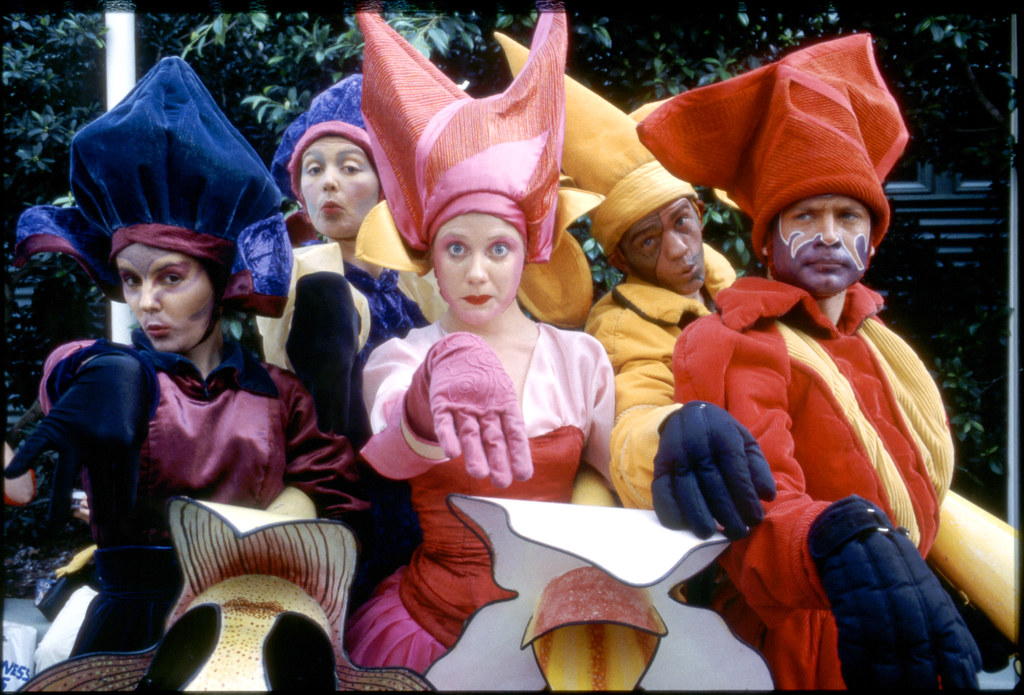
The Orchids street entertainer - Expo 88

The Future of Fandom: How Communities are Reshaping Entertainment in 2026

The Changing Face of Fandom

As we venture into the vibrant world of 2026, the landscape of entertainment is undergoing a remarkable transformation that is largely driven by the evolution of fandom. Gone are the days when fans simply consumed content passively; today, they are active participants in shaping the narratives they love. This article explores how fan communities are redefining entertainment, from social media interactions to grassroots movements and everything in between.

The Orchids street entertainer - Expo 88
Foto: Queensland State Archives

The Rise of Fan-Driven Content

In 2026, fans are more empowered than ever to create and share their own content. Platforms like TikTok and YouTube have become breeding grounds for fan-made videos, remixes, and alternate storylines, allowing audiences to expand upon the worlds and characters they adore.

  • Fan Fiction and Alternate Universes: Writers are crafting intricate stories that delve into character backstories or speculate on potential plot developments, adding depth to the narratives.
  • Video Content: Short films, animations, and parodies are giving fans a new medium to express their creativity, often leading to collaborations with professional creators.

Social Media’s Role in Fandom

Social media platforms have become the lifeblood of fandom interaction. They serve not only as spaces for discussion but also as catalysts for change within the entertainment industry.

  • Direct Engagement with Creators: Fans can now interact with writers, directors, and performers directly through platforms like Twitter and Instagram, building relationships that enhance their connection to the content.
  • Real-Time Feedback: Instant feedback on new releases allows creators to adapt and evolve their works based on fan reactions, fostering a collaborative spirit.

Grassroots Movements and Fan Activism

Fandom has transcended mere entertainment in 2026; it has become a platform for activism. Fans are uniting around causes, advocating for representation, diversity, and social justice within their beloved media.

  • Campaigns for Representation: Large fan bases are mobilizing to demand better representation in films and television, pushing executives to prioritize inclusivity in casting and storytelling.
  • Charity Events: Many fandoms organize charity streams, auctions, and other fundraising events, highlighting their collective power to make a positive social impact.

The Impact of Virtual Reality on Fandom

Virtual reality (VR) has emerged as a game-changer for fans in 2026. Instead of merely watching a show or playing a game, fans can now immerse themselves in alternate realities where they can interact with their favorite characters and environments.

  • Interactive Experiences: VR experiences allow fans to take on roles within their favorite stories, creating a personalized interaction that deepens engagement.
  • Virtual Conventions: Events like Comic-Con have adapted to include VR components, enabling fans worldwide to participate without the barriers of travel and cost.

The Future of Fandom: A Collaborative Future

The future of fandom looks bright as communities continue to evolve and adapt. The line between creators and consumers is increasingly blurred, fostering a collaborative atmosphere that enriches the entertainment landscape.

  • Collaborative Projects: Fans are banding together to create large-scale projects, such as fan films or community art initiatives that showcase their passion and creativity.
  • Support for Indie Creators: Fans are increasingly turning their attention to independent creators, recognizing the importance of diverse voices and stories beyond mainstream offerings.

Conclusion

In 2026, the landscape of entertainment is being reshaped by vibrant fan communities that are no longer content to be passive consumers. These engaged audiences are exercising their creativity, amplifying their voices, and driving change within the industry. As this trend continues to flourish, we can expect that the future of entertainment will be one characterized by collaboration, diversity, and active participation.

USO entertainers in the back of a military vehicle during World War II

The Impact of Streaming Wars on Global Entertainment Landscapes in 2026

Introduction

As we dive into 2026, the entertainment industry finds itself amidst a transformative wave fueled by the ongoing streaming wars. With more platforms than ever competing for viewers’ attention, the landscape of entertainment is rapidly evolving. This article explores how these shifts are reshaping global entertainment, the implications for content creators, and what audiences can expect in the near future.

USO entertainers in the back of a military vehicle during World War II
Foto: gbaku

The Current State of Streaming Services

The year 2026 marks a significant point in the ongoing battle among streaming giants. New players have emerged alongside established names like Netflix, Amazon Prime, and Disney+, each vying for subscriber loyalty and market share. Here are some key trends:

  • Emergence of Niche Platforms: Smaller services targeting specific genres or demographics are gaining traction, proving that there’s a market for tailored content.
  • Widespread Bundling Options: Many services are now offering bundled subscriptions, allowing users to access multiple platforms for one fee, similar to traditional cable packages.
  • Global Expansion: Streaming platforms are expanding their reach into international markets, often tailoring content specifically for local audiences.

Content Creation in the Age of Competition

The fierce competition among streaming platforms has a profound impact on how content is created and distributed.

Increased Investment in Original Programming

To stand out, streaming services are investing heavily in original content. This trend is leading to:

  • Diverse Storytelling: With different voices and perspectives being prioritized, viewers are treated to a wider array of narratives that reflect diverse cultures and experiences.
  • High-Quality Production: The influx of funds has resulted in higher production values, bringing cinematic quality to the small screen.
  • Short-Form Content: The rise of platforms like TikTok has encouraged streaming services to experiment with shorter formats, leading to a new wave of concise storytelling.

Audience Engagement Strategies

As competition heats up, services are not just focusing on content but also on how to engage their audiences:

  • Community Building: Many platforms are creating online communities where fans can discuss content, share theories, and connect with creators.
  • Interactive Content: Streamers are experimenting with formats that allow viewers to influence storylines or outcomes, creating a more immersive experience.
  • Gamification: Integrating gaming elements into viewing experiences to boost engagement and attract younger audiences is becoming increasingly popular.

The Impact of Consumer Behavior

As audiences adapt to the evolving landscape, their viewing habits are also shifting significantly:

Changing Viewing Habits

Consumers are now more selective about their subscriptions. Factors influencing their choices include:

  • Content Libraries: Viewers are more likely to subscribe to platforms that offer a diverse catalogue of shows and films.
  • Cultural Relevance: Content that resonates on a cultural level or addresses current social issues tends to attract more viewers.
  • Subscription Cost: Budget-conscious consumers are often reevaluating their subscriptions, leading to a trend of sharing accounts or opting for ad-supported tiers.

The Role of Cross-Platform Integration

Viewers are increasingly interacting with content across multiple platforms, creating a seamless experience. For instance:

  • Social Media Tie-Ins: Platforms are using social media to promote user engagement, often releasing exclusive content or interactive posts.
  • Merchandising and Live Events: Successful shows are also being translated into merchandise and live experiences, expanding their reach beyond the screen.

The Future: What Lies Ahead?

As we look toward the future, the implications of the streaming wars will continue to unfold:

  • Enhanced AI Personalization: AI technology is expected to play a greater role in curating viewer experiences, recommending content based on individual preferences.
  • New Revenue Streams: Platforms may explore innovative ways to monetize content, such as integrating virtual reality experiences or augmented reality applications.
  • Sustainability in Production: As awareness of environmental issues grows, more platforms may prioritize sustainable production practices.

Conclusion

The streaming wars of 2026 are not just a battle for subscribers but a transformative force reshaping the entire entertainment industry. As platforms continue to innovate and adapt to consumers’ demands, the global landscape of entertainment will undoubtedly evolve, paving the way for new ideas and exciting collaborations. For audiences, this means an abundance of choices and a promise of unique experiences that cater to their tastes.

Margate - The Turner Gallery Opening - Apr 2011 - Childrens Entertainer

The Power of Nostalgia: How Retro Trends Are Shaping Entertainment in 2026

The Resurgence of Retro in Modern Entertainment

Nostalgia has become a powerful force in the entertainment industry by 2026, driving consumers to revisit the past while integrating familiar elements into contemporary content. This phenomenon is not just limited to film and television; it’s also prevalent in music, fashion, and even gaming. As audiences crave connection to their childhoods and simpler times, creators are capitalizing on this emotional longing.

Margate - The Turner Gallery Opening - Apr 2011 - Childrens Entertainer
Foto: Gareth1953 All Right Now

Exploring Nostalgic Themes in Film and TV

In recent years, television and film have seen a significant uptick in reboots and sequels of beloved classics. Shows and movies from the 1980s and 1990s are not only being revived but are also being cleverly updated to reflect today’s societal values and norms.

  • Popular Reboots: Iconic series such as Friends and Full House have found new life with modern twists, appealing to both original fans and a younger audience.
  • Serialized Nostalgia: New productions are often serialized, enabling them to explore characters deeply over multiple seasons while playing on familiar themes.

The Music Scene and Nostalgic Revival

In the music industry, the trend of nostalgia is vividly apparent as artists remix and sample hits from previous decades. This blending of old and new not only caters to longtime fans but also introduces younger generations to timeless tracks.

  • Vinyl Records: Sales of vinyl records continue to soar, with many music enthusiasts preferring the tangible feel and sound quality of this retro medium.
  • Tribute Bands: The rise of tribute bands allows fans to relive concerts of legendary artists, with performances that closely mimic the originals.

The Gaming World Embraces Nostalgia

The gaming landscape is not immune to nostalgia either. Classic games from the early days of gaming are being remade with modern graphics, allowing players to enjoy their cherished experiences in a new light.

  • Remastered Classics: Games like Final Fantasy VII and Doom have seen successful remakes that not only appeal to longtime fans but also introduce a new generation to these classics.
  • Retro Consoles: Miniature versions of retro consoles have become popular items, allowing players to revisit their favorite childhood games.

The Influence of Nostalgia Marketing

Brands have also jumped on the nostalgia bandwagon, leveraging familiar imagery and slogans from the past to attract consumers. This nostalgic marketing taps into emotions, often leading to increased engagement and sales.

  • Iconic Logos and Campaigns: Many brands are reintroducing retro logos or revamping old advertising campaigns to connect with consumers on a sentimental level.
  • Collaborations: Partnerships between brands and nostalgic franchises (think Star Wars or Marvel) are on the rise, creating limited-edition products that generate buzz and capitalise on fan loyalty.

Societal Aspirations and Nostalgia

The current societal landscape also plays a role in the embrace of nostalgia. As people navigate an increasingly fast-paced and complex world, those looking for comfort often turn to the simplicity of past eras.

  • Shared Experiences: Nostalgic entertainment fosters shared experiences among generations, promoting conversations and connections.
  • Comfort in Familiarity: As uncertainties loom, revisiting familiar stories and characters offers emotional solace.

Conclusion: A Nostalgic Future

As we look forward to the coming years, the influence of nostalgia in entertainment is poised to grow even stronger. With audiences of all ages yearning for connection to the past, we can expect more innovative fusion of nostalgia with modern elements across all forms of media. The power of nostalgia is here to stay, shaping the entertainment landscape in truly unique ways.

Walmart Associates Entertain the Crowd While Waiting for Bob Seger and the Silver Bullet Band

The Rise of Interactive Storytelling: Engaging Audiences in 2026

The New Wave of Interactive Narratives

As we find ourselves well into 2026, the entertainment landscape continues to evolve, revealing a significant trend: the rise of interactive storytelling. This innovative approach is designed to engage audiences in ways that traditional narratives simply cannot. This article explores how interactive storytelling is shaping the entertainment industry and what we can expect in the near future.

Walmart Associates Entertain the Crowd While Waiting for Bob Seger and the Silver Bullet Band
Foto: Walmart Corporate

What is Interactive Storytelling?

Interactive storytelling allows the audience to become an integral part of the narrative, making choices that affect the story’s outcome. It blends elements from video games, films, and literature, offering a unique experience that goes beyond passive consumption. With advancements in technology, creators are now able to craft complex stories that adapt to the viewer’s decisions.

The Technology Behind the Trend

Recent developments in technology have made interactive storytelling more accessible and engaging. Key technologies include:

  • Artificial Intelligence: AI is being used to create responsive characters and dynamic storylines that can change based on user interaction.
  • Augmented Reality (AR): AR enhances real-world environments by overlaying digital content, allowing for immersive storytelling experiences.
  • Virtual Reality (VR): VR provides a fully immersive experience, enabling users to step into the story and interact with the environment like never before.

Popular Platforms Leading the Charge

Several platforms have emerged as frontrunners in the realm of interactive storytelling:

  • Netflix: The streaming giant has ventured into interactive content with titles like Black Mirror: Bandersnatch, paving the way for more complex interactive films.
  • Video Game Developers: Companies like Telltale Games have long been known for their narrative-driven games, with franchises such as The Walking Dead allowing players to make critical storyline decisions.
  • Interactive Podcasts: The creation of interactive audio experiences has gained popularity, enabling listeners to choose paths within the narrative.

The Appeal of Interactive Storytelling

Why are audiences gravitating towards interactive storytelling? Here are a few reasons:

  • Increased Engagement: Audiences feel more connected and invested when they can influence the story’s direction.
  • Personalized Experiences: Every choice leads to a different outcome, catering to individual preferences and enhancing replayability.
  • Community and Sharing: Interactive stories often create a shared experience among friends and audiences, fostering discussion and communal exploration of the narrative.

Challenges Ahead

Despite its promise, interactive storytelling does face several challenges:

  • Complexity in Creation: Crafting a coherent and engaging interactive narrative requires more resources and skilled creators than traditional storytelling methods.
  • Market Saturation: As more content becomes available, distinguishing high-quality interactive narratives from mediocre ones will be essential.
  • User Experience: Ensuring a seamless experience without overwhelming users with too many choices is a delicate balance.

Future Trends to Watch

As we move forward, several trends are likely to shape the future of interactive storytelling:

  • Integration with Social Media: Expect to see more interactive content that leverages social media platforms for collaborative storytelling.
  • Expansion into Education: Interactive storytelling is beginning to find its way into educational settings, offering students a new way to engage with learning materials.
  • Enhanced User Analytics: By utilizing data, creators will refine interactive experiences to better cater to audience preferences.

Conclusion: A New Era of Entertainment

The rise of interactive storytelling signifies a pivotal moment in entertainment, where audiences are no longer passive consumers but active participants. This trend represents not just an evolution of narrative techniques but also a shift in how we perceive and engage with stories. As technology continues to advance, the possibilities for interactive storytelling are limitless, promising a future filled with creativity and immersive experiences.

Korean Entertainer

The Transformation of Entertainment Production: Behind the Scenes in 2026

Introduction: The Changing Landscape of Entertainment Production

As we navigate through 2026, the entertainment industry is witnessing a significant transformation in production practices. The advent of new technologies, evolving audience preferences, and a focus on sustainability are reshaping how films, television shows, and digital content are created. In this article, we will explore the latest trends and innovations in entertainment production, providing insights into the industry’s current state.

Korean Entertainer
Foto: dok1

The Rise of Collaborative Production Models

One of the most notable shifts in entertainment production this year is the rise of collaborative models. Filmmakers and creators are increasingly working together across various platforms, blurring the lines between traditional and digital media.

Key Elements of Collaborative Production

  • Cross-Platform Engagement: Creators from different media spheres are collaborating on projects that span film, television, and online content.
  • Crowdsourced Ideas: Audience input is becoming vital during the pre-production phase, with platforms enabling fans to contribute ideas.
  • Shared Resources: Independent filmmakers and large studios alike are sharing resources, including technologies and talent, to enhance production quality.

Technological Innovations Driving Production

In 2026, technology remains a driving force in entertainment production, with several innovations changing how content is created.

Advanced Filmmaking Technologies

  • Virtual Production: Using LED screens and real-time rendering, filmmakers can create immersive environments without extensive on-location shoots, significantly reducing costs and time.
  • AI in Scriptwriting: Artificial intelligence tools are assisting writers in generating ideas and refining scripts, making the writing process more efficient.
  • Enhanced Post-Production Tools: New software tools are streamlining editing and visual effects, allowing for greater creativity and faster turnaround times.

Sustainability in Production Practices

As environmental concerns become more pressing, the entertainment industry is leaning towards sustainable practices in production. In 2026, many studios are adopting eco-friendly methods to reduce their environmental footprint.

Examples of Sustainable Practices

  • Green Sets: Production teams are using sustainable materials and energy-efficient equipment on sets to minimize waste.
  • Carbon Offsetting: Many studios are investing in carbon offset programs to balance out emissions produced during filming.
  • Digital Distribution: Shifting towards digital platforms reduces the need for physical media, further lowering environmental impact.

The Evolving Role of Streaming Platforms

Streaming services have revolutionized entertainment consumption, and their influence extends into production as well. In 2026, we see a more integrated approach between content creators and streaming platforms.

How Streaming Platforms Influence Production

  • Data-Driven Decision Making: Streaming platforms provide creators with valuable viewer data, allowing for more informed content creation.
  • Original Content Investments: Many platforms are investing heavily in original films and series, impacting production budgets and creative direction.
  • Global Collaboration: Streaming services are enabling international collaborations, promoting diverse storytelling that appeals to a global audience.

Conclusion: Embracing Change in Entertainment Production

The entertainment production landscape in 2026 is one of collaboration, innovation, and sustainability. As the industry continues to evolve, staying adaptable and responsive to changes will be key for creators and studios alike. By embracing new technologies and practices, the entertainment industry is not only enhancing its creative output but also approaching challenges in a responsible and engaging manner.